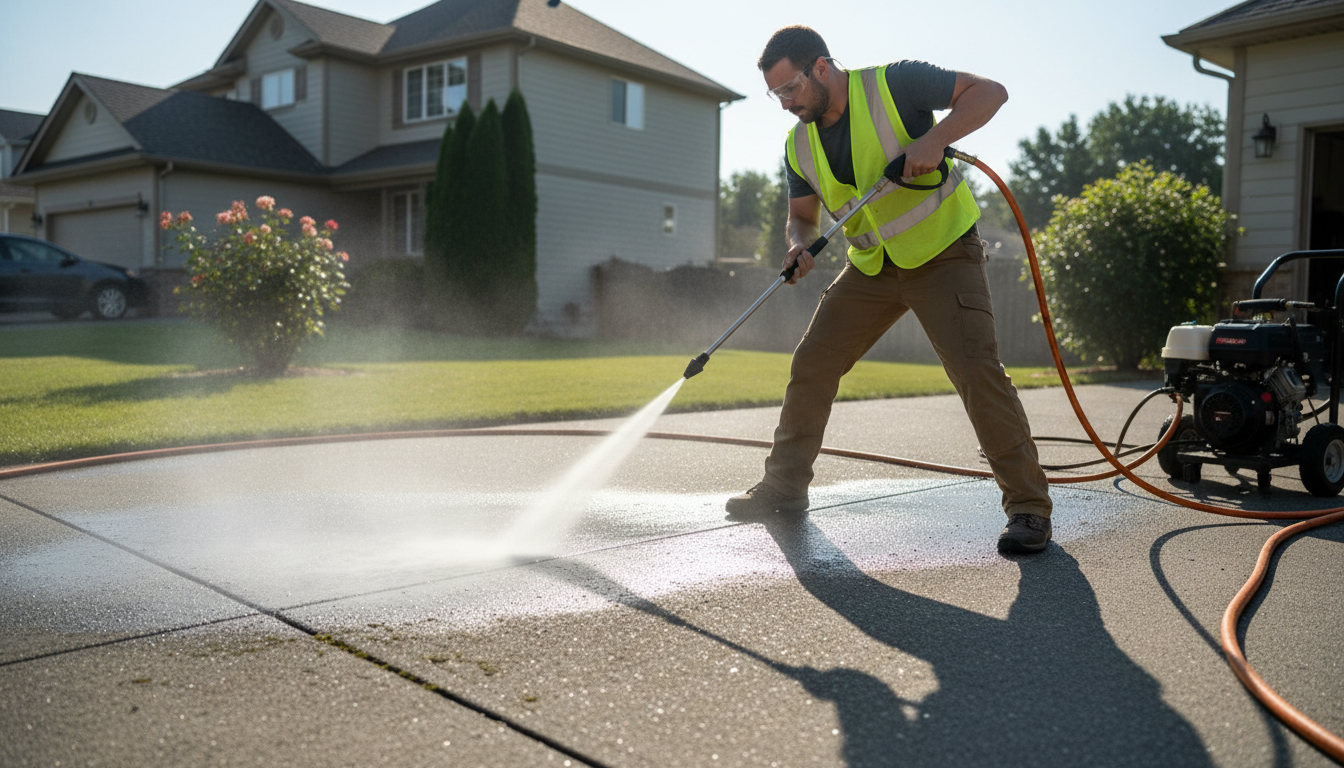
Pressure washing cold weather tasks are safe to perform as long as temperatures stay above freezing and you schedule work during the warmest, sunniest hours of the day. To avoid ice hazards and equipment damage, you should use hot water pressure washers when possible and keep water flowing through hoses to prevent freezing. Homeowners must also drain all water from the system and store equipment in a heated area to protect the internal pump.
As the North Texas winter sets in, homeowners often wonder if they can still tackle that stubborn grime on their siding or driveway. You might feel the urge to clean up before family visits, but freezing temperatures introduce serious risks that many people overlook. From dangerous black ice on your walkway to internal pump damage, cold weather pressure washing requires a specialized approach. At Lux Power Cleaning, we believe in maintaining your home's prestige without compromising safety. In this guide, we will explore the specific hazards of winter cleaning in Hunt County. You will learn how temperatures affect chemical performance, why frozen surfaces are a major liability, and how to properly winterize your equipment. Following these expert protocols ensures your property remains immaculate while avoiding costly repairs or accidents during the coldest months of the year.
Is It Safe to Pressure Wash in Cold Weather in North Texas?
Maintaining your home's exterior in North Texas often means dealing with a layer of grime that accumulates during the damp winter months. While you can technically perform pressure washing cold weather tasks, the safety of the project depends entirely on the thermometer. In the industry, we consider 40 degrees Fahrenheit the critical danger zone for DIY projects. While water freezes at 32 degrees, the 40 degree threshold provides a necessary buffer. As water leaves the nozzle, it loses heat rapidly. If the surface temperature of your driveway or siding is near freezing, you risk creating an immediate skating rink.
Texas weather presents a unique challenge compared to northern climates. We rarely face months of sustained sub-zero temperatures. Instead, homeowners deal with sharp overnight freezes followed by deceptively sunny afternoons. A porch might feel warm to the touch at 2 PM, but as the sun dips behind the trees, any residual moisture can flash-freeze. This creates a significant risk for the operator, who may lose footing on a slick surface, and for the property itself. When water penetrates porous materials like concrete or stone and then freezes, the resulting expansion can cause micro-cracking and surface spalling.
While professional pressure washing services use specialized techniques to mitigate these risks, homeowners should exercise extreme caution. If you are unsure about the current conditions, it is safer to wait for a consistent warm spell or Contact Lux Power Cleaning to discuss a professional assessment. Understanding soft washing vs pressure washing can also help you determine which method is safest for your specific surfaces during the colder months.
The Hazards of Frozen Surfaces and Black Ice
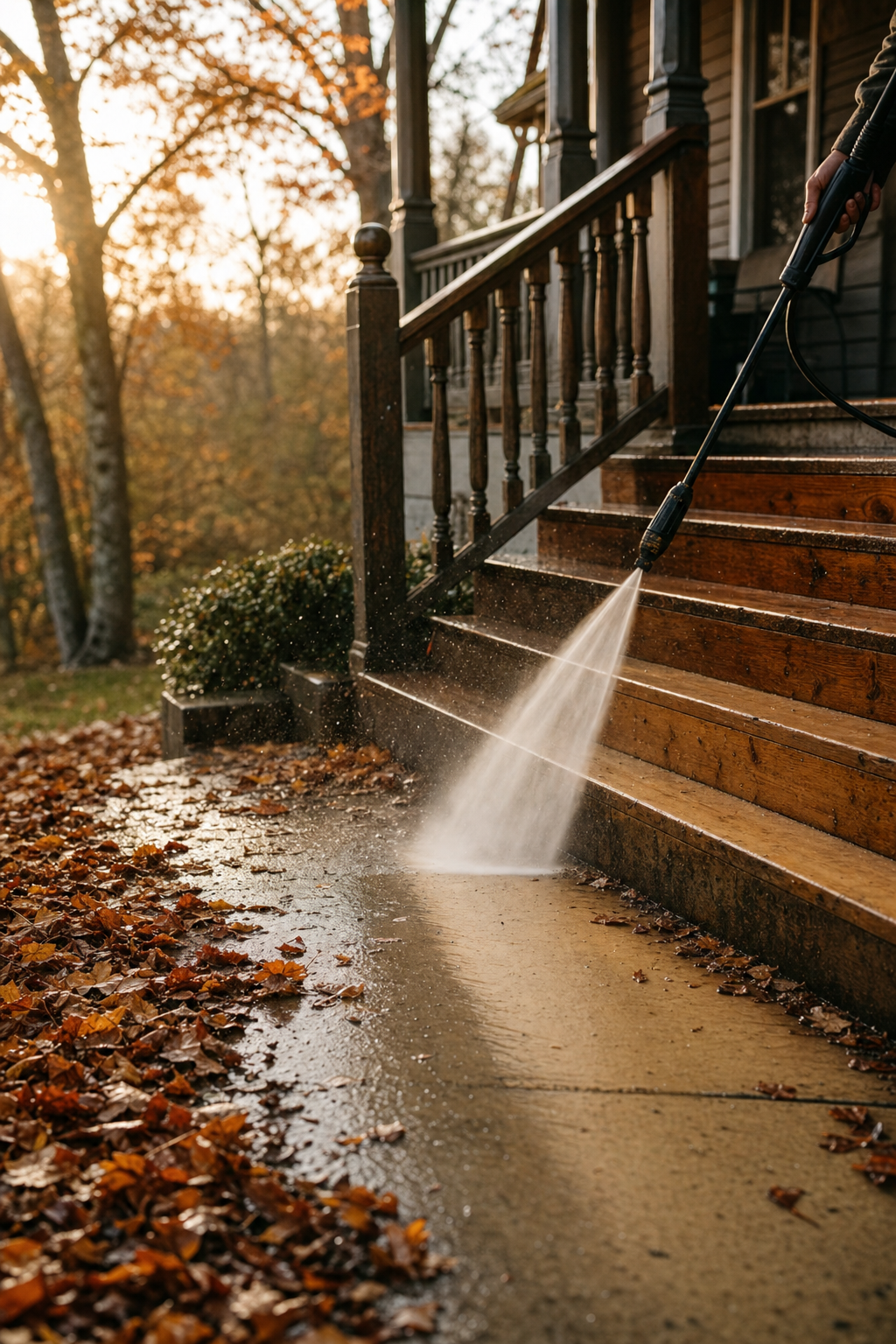
Introducing large volumes of water to a concrete driveway or sidewalk during a Hunt County cold snap essentially creates a laboratory for black ice. Even if the air temperature sits at a seemingly safe 35 or 38 degrees, the ground temperature often lags behind. In shaded areas, residual moisture from pressure washing cold weather tasks can persist for hours without evaporating. As the sun sets, this thin film of water transforms into a transparent, glass like layer of ice that is nearly impossible to spot until you are already losing your footing.
This poses a significant liability risk that many homeowners overlook. If a neighbor walking their dog or a delivery driver dropping off a package slips on a recently cleaned surface that has frozen over, the property owner may be held responsible for any resulting injuries. In Greenville neighborhoods like the Park Street Historical District or the heavily wooded lots near the Arnold Walker park area, the abundance of mature trees creates pockets of permanent shade. In these specific micro-climates, ice can linger on a north facing porch or a sheltered sidewalk long after the rest of the street has reached a safe temperature.
Safety is not just about the person holding the wand; it is about the long term state of the property after the job is done. This is why professional pressure washing services pay close attention to drainage patterns and surface porosity. If you have concerns about the shade levels on your property or the safety of your walkways during a freeze, it is best to Contact Lux Power Cleaning for a site evaluation before moving forward with a winter project.
How Cold Temperatures Affect Your Pressure Washing Equipment
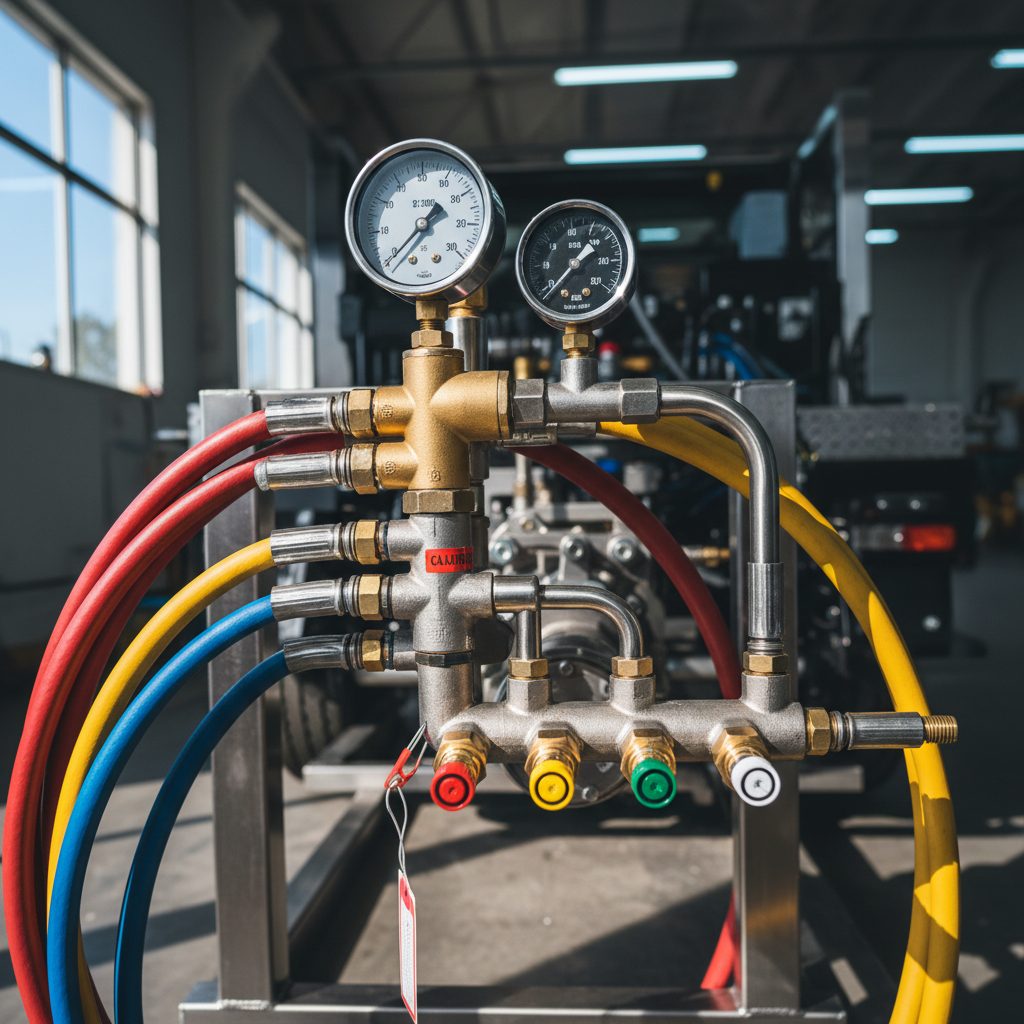
Beyond the safety risks to your property, pressure washing cold weather tasks pose a severe threat to the machinery itself. Water expands by approximately nine percent as it freezes, and within the confined space of a pressure washer, that expansion is destructive. A pump manifold, the metal housing at the heart of your machine, can crack in minutes if even a small amount of trapped water turns to ice. Similarly, high pressure hoses are designed to handle internal pressure from the pump, but they cannot withstand the outward force of expanding ice, which often leads to catastrophic bursts. Small internal components, such as ceramic plungers or the delicate valves inside spray guns, are frequently the first to fail in sub-freezing conditions.
Consumer grade machines are particularly susceptible because they rely strictly on ambient water temperatures. In contrast, professional pressure washing services often utilize industrial grade units equipped with on-board heaters. These hot water systems keep the internal components at a safe temperature and prevent the water from reaching a freezing state while moving through the coils. If you are operating a DIY unit in Greenville during a cold snap, use this checklist to watch for flash freezing:
Monitor the spray pattern for sudden fluctuations, which indicates ice crystals are beginning to clog the nozzle.
Check the supply hose for rigidity or "crunching" sounds when it is moved or coiled.
Ensure water is constantly flowing; if the trigger is released and water sits still for more than a few minutes, internal temperatures drop rapidly.
Watch for immediate leaks at the pump head, which is a primary sign that the manifold has already suffered a stress fracture.
Failure to account for these mechanical limits can turn a simple weekend project into an expensive equipment replacement. If you are unsure if your gear can handle the current temperature, it is worth researching soft washing vs pressure washing or deciding to Contact Lux Power Cleaning to avoid a total equipment failure.
Chemical Limitations: Why Soap Stops Working in the Cold
Temperature plays a critical role in the chemical reactions required to break down organic growth like algae, mold, and mildew. Most surfactants and house wash solutions, particularly those involving sodium hypochlorite, lose significant efficacy once the thermometer dips below 50 degrees. At these lower temperatures, the molecular activity of the cleaning agents slows down. This means the dwell time needed for the soap to work increases dramatically, often to the point where the solution dries or begins to freeze before it can actually sanitize the surface.
A common mistake during pressure washing cold weather projects involves trying to compensate for these sluggish chemicals by increasing physical force. When DIYers notice that the grime is not lifting as expected, they often switch to a higher pressure nozzle or hold the wand closer to the surface. This is a recipe for disaster on vinyl or Hardy Plank siding. High pressure can strip away the protective oxidation layer, leave permanent wand marks, or even force water behind the siding panels where it leads to hidden rot.
Professional pressure washing services manage these Greenville winters by adjusting the chemical ratios for the conditions. We may use higher concentrations of active ingredients or specialized winter surfactants designed to stay stable in cooler air. Understanding the nuances of soft washing vs pressure washing is especially vital during these months. If you find your cleaning solution is simply sitting on the surface without producing results, it is better to Contact Lux Power Cleaning than to risk damaging your home with excessive force.
Tips for Safe Winter Pressure Washing in Texas
Handling pressure washing cold weather tasks requires a tactical approach to timing and surface temperature. If you decide to tackle a winter cleaning project yourself, following a strict set of operational rules can prevent property damage and personal injury.
First, adhere to the 10 AM to 2 PM window. In Hunt County, the ground often retains the chill of a North Texas night long after the air warms up. By waiting until 10 AM, you allow the sun to raise the surface temperature of your driveway or siding. Ending your work by 2 PM ensures that surfaces have several hours of daylight left to dry completely before the evening temperature drop.
Strategic planning should also dictate your starting point. Always begin with south facing surfaces. These areas receive the most direct sunlight and will dry the fastest. Conversely, north facing walkways or shaded porches near heavy tree cover may never reach a safe temperature for cleaning during a cold snap. If a surface remains shaded all day, understanding the nuances of soft washing vs pressure washing can help you decide if a low moisture approach is safer, or if it is better to Contact Lux Power Cleaning for a professional assessment.
Monitoring the forecast is about more than just the immediate weather. You must ensure that temperatures will remain at least 40 degrees for four to six hours after you finish. This window is necessary for complete evaporation. Finally, keep a bag of pet safe ice melt on hand. If you encounter any lingering frost on a sidewalk before you begin, apply the de-icer first to ensure you have a stable, ice free surface to stand on while operating your equipment. Following these protocols helps mitigate the inherent risks while you wait for the ideal conditions for professional pressure washing services.
Winterizing Your Pressure Washer: A Step by Step Guide

Properly storing your equipment is the final step in managing pressure washing cold weather challenges. When Greenville temperatures drop overnight, water trapped inside the pump can expand and cause invisible hairline fractures that lead to expensive repairs by spring.
For short term storage between typical North Texas cold snaps, you must drain all water from the machine. Disconnect the garden hose, high pressure hose, and spray gun; then, pull the recoil starter several times to force out residual water from the pump. Never leave a machine in an unheated garage or shed without ensuring every drop is evacuated. If a deep freeze is forecast, moving the unit into a climate controlled space is the safest option for the pump and seals.
Long term winterization requires more than just draining. Internal seals can dry out or crack if left empty for months.
Use a pressurized can of Pump Guard or a funnel to introduce RV antifreeze into the water inlet.
Engage the pump until the solution exits the discharge port, ensuring the internal chambers are fully coated.
Clear the chemical injector by placing the siphon tube in clean water and running it briefly before the final shutdown.
Using these protectants provides a layer of lubrication that prevents seals from sticking or rotting. If this process feels overly technical or you lack a heated storage space, scheduling professional pressure washing services allows you to bypass equipment maintenance entirely. Many Greenville residents choose to Contact Lux Power Cleaning to ensure their property stays clean without the risk of damaged hardware. Understanding the differences between soft washing vs pressure washing can also help you determine if your specific gear needs specialized care during the off season.
Staying safe while pressure washing in the cold is essential for protecting both your home and your well-being. By following these Greenville weather tips, you can avoid common winter hazards like ice buildup and equipment damage. If you want expert help navigating these seasonal challenges, you can learn more about our dedicated crew and how we serve the community. We are always here to ensure your property looks its best while you stay warm and safe inside.